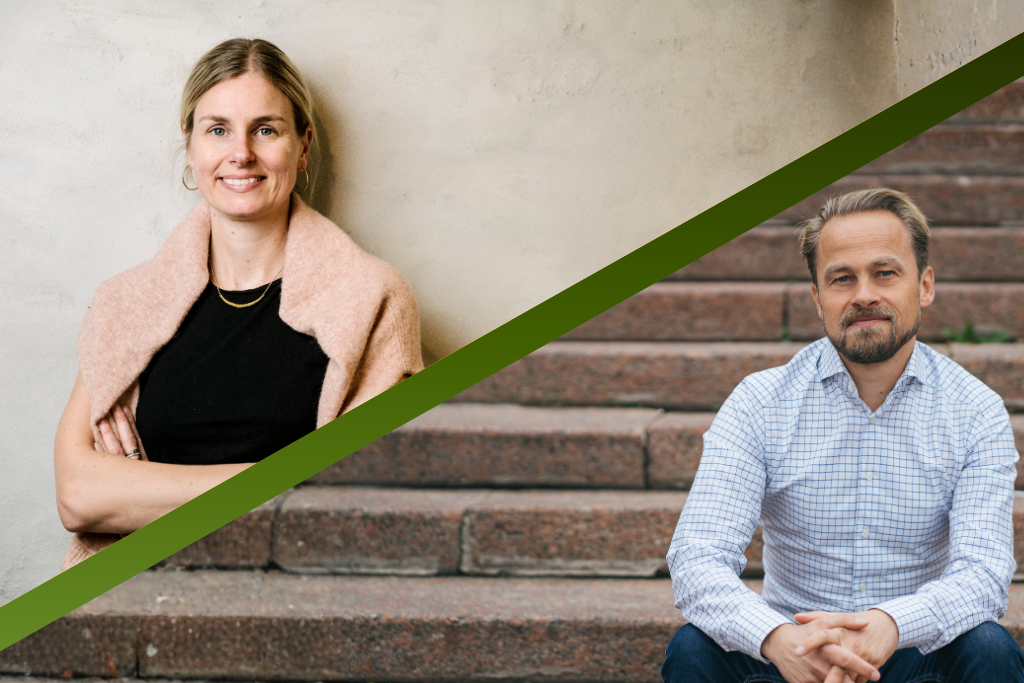
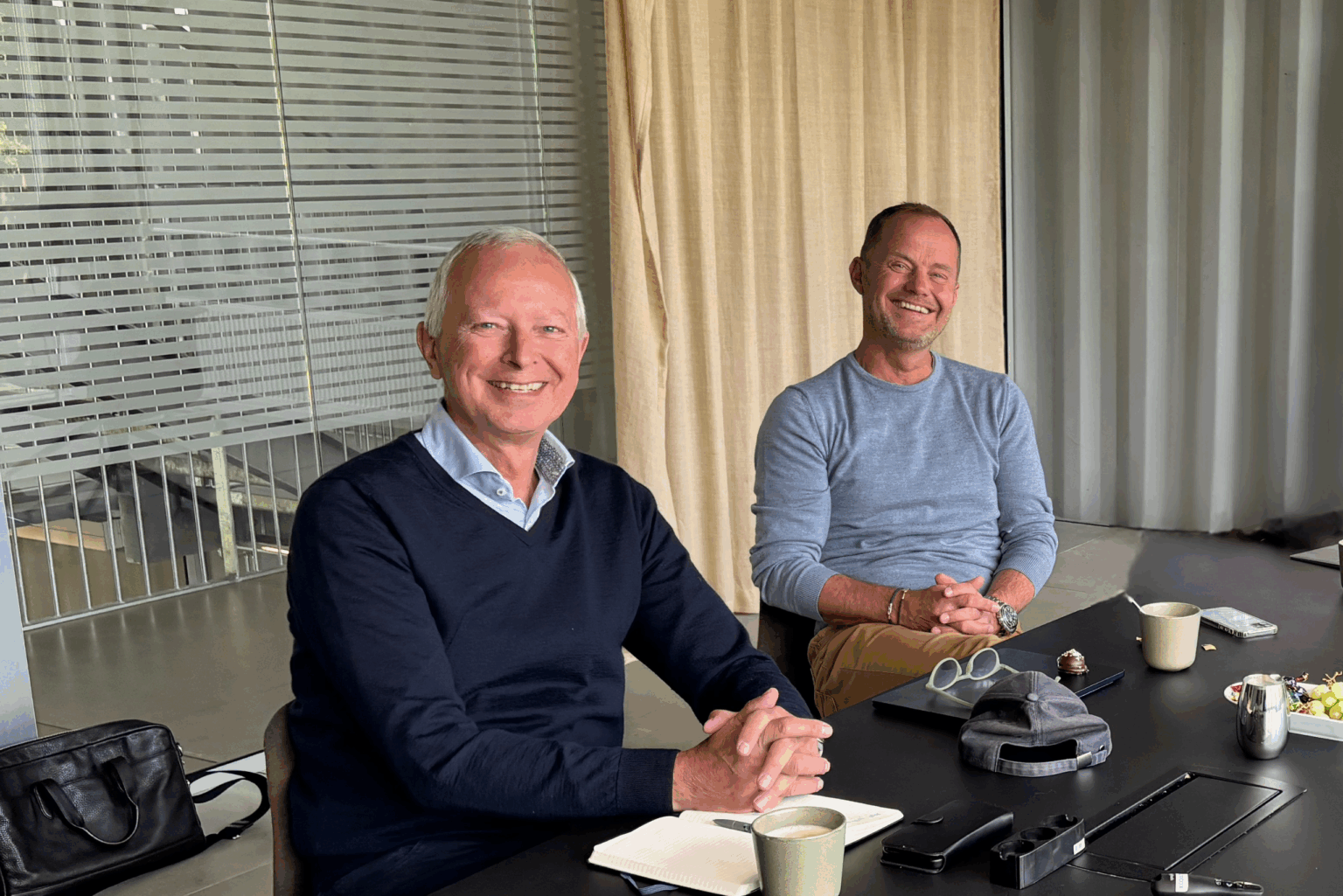
Bringing a deep-tech idea to market is never a straight line. It is a journey shaped by curiosity, tough choices, sleepless nights, and thousands of iterations. It is also a journey where the right people beside you can make all the difference. In DTU Science Park’s growth programs, two of the more than 40 experts founders meet along the way are Jens Bøegh and Henrik Storm.
Both have spent years guiding founders through the startup jungle. Jens with his global commercial experience and sharp focus on business models. Henrik with more than four decades in supply chain leadership. Together, they help founders transform raw ideas into scalable solutions that can thrive in real markets. We sat down with them to explore what it truly takes to go from idea to market.
“It starts with the customer.” - Jens Bøegh
Jens smiles when he describes the moment a founder brings their idea to him.
“You can see the passion in their eyes. But one of the first questions I ask is whether they’ve spoken to real customers yet” he says. “Too many founders fall in love with their product before they know if anyone wants to buy it.”
His advice is simple, but powerful:
“Talk to your dream customer as early as possible. Don’t wait. The sooner you learn whether you’ve solved a real problem, the faster you can build a business model that holds.”
For Jens, a solid go-to-market plan is never a template you squeeze a startup into. It is built around the reality of each company. Some are on the edge of launching. Others are still shaping their concept. “My job is to meet them where they are and help them uncover how this idea can become a profitable business. If we can build a path to revenue, we also increase their chances of bringing investors onboard later.”
“If it isn’t in writing, it isn’t an agreement.” – Henrik Storm
While Jens explores customer and market fit, Henrik steps in the moment a prototype begins to take form. It is a point where enthusiasm is high, but operational reality still sits in the shadows.
“Supply chain is the backbone of the business” he says, with the calm certainty of someone who has seen almost everything that can go wrong. “Once you have a prototype, suppliers, contracts, logistics, and risks suddenly matter a lot. Even the best idea collapses if the agreements aren’t solid.”
Henrik is known for asking the tough, sometimes uncomfortable questions.
“Who owns quality? Who handles warehousing? What if your overseas manufacturer has a six-month lead time? What happens if something breaks down? These are not details. They decide whether you can deliver.”
His mantra is firm:
“If it’s not written down, it’s not a deal.”
And founders quickly learn how right he is the moment something unexpected happens.

A shared challenge: balancing vision with reality
Listening to Jens and Henrik together reveals how complementary their expertise is. Jens is driven by curiosity about customers. Henrik is driven by structure, agreements, and clear roles. Both share a deep respect for the founder’s journey.
Jens highlights how customer insight guides everything that follows.
“If we don’t know who will buy, the rest is guesswork. Once we do know, we can start building pricing models, volume expectations, and investment cases that make sense.”
Henrik nods and adds:
“And once you know your market, you also know how much you should produce, what flexibility you need from suppliers, and whether you should start small with a flexible partner before scaling to lower-cost production later.”
Both describe the early stage as a balance between ambition and honesty.
“You don’t need to pretend to be bigger than you are” Henrik explains. “What matters is being honest about your stage while selling your long-term vision. Suppliers invest in your potential, not your first order.”
Why early conversations matter
Jens laughs when asked how early is “too early” to speak with customers.
“There is no too early” he says. “The only mistake is waiting. We’d rather fail fast than spend years perfecting something nobody will buy.”
Henrik echoes this mindset from an operational perspective.
“The earlier you understand your supply chain, the fewer surprises later. Many founders come from a basement mindset where they only focus on the product. But going from the basement to the real world requires a whole new way of thinking.”
Tapping into deep experience across the fields startups rely on
For founders, the journey from idea to market can feel overwhelming. That is exactly why DTU Science Park’s growth programs were built the way they were. More than 40 specialists support founders with targeted expertise across essential disciplines.
Jens helps sharpen the business logic behind each innovation.
Henrik helps build the operational backbone that protects it.
Others are experts in law, regulatory, product development, sales, patents and so much more.
Together, they create clarity in a jungle where many early-stage teams would otherwise walk blindfolded.
As Henrik puts it:
“Startups usually have expertise in technology, not in contracts, logistics, or risk. Having someone experienced by your side early can save you from mistakes that cost years.”
A journey you do not have to walk alone
Deep-tech founders face complex challenges, and no one succeeds alone. In DTU Science Park’s growth programs, they gain access to experienced specialists who stand beside them at every stage. Experts like Jens and Henrik help founders navigate uncertainty, make informed decisions, and prepare for the moment when their solutions can enter the market with confidence.
Check out the Growth Programs right here