When a Ukrainian soldier is wounded on the frontline, the journey back to the hospital is often long and dangerous. And spending several days with open wounds in that environment is not a good combination. That is why most soldiers have multidrug-resistant bacteria in their wounds when they arrive at the hospital. But Danish start-up AleSac is now trying to change that.
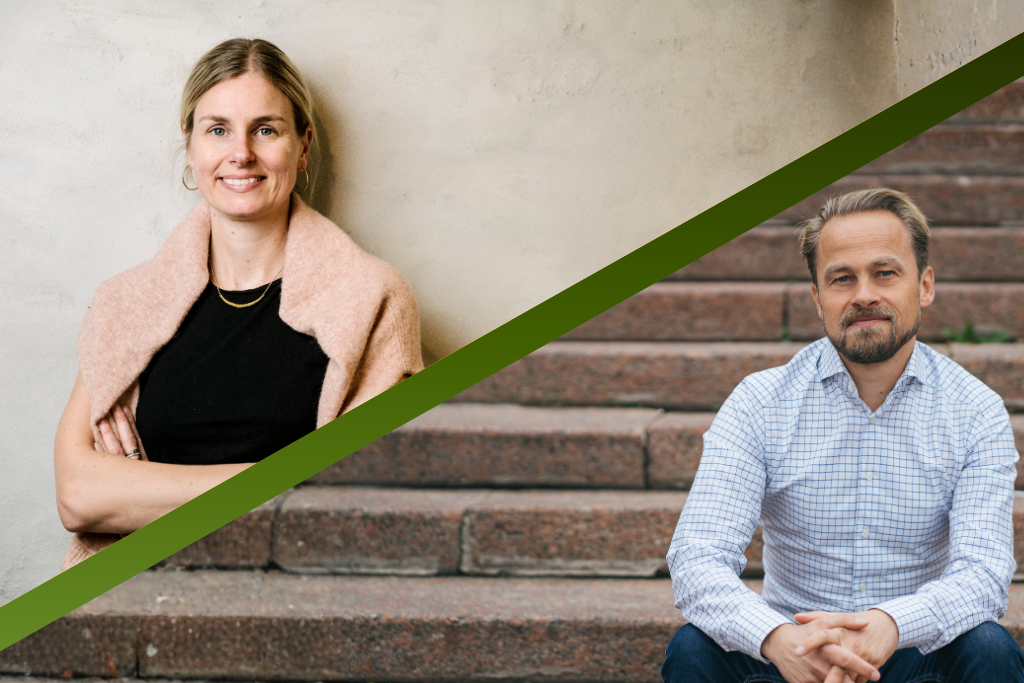
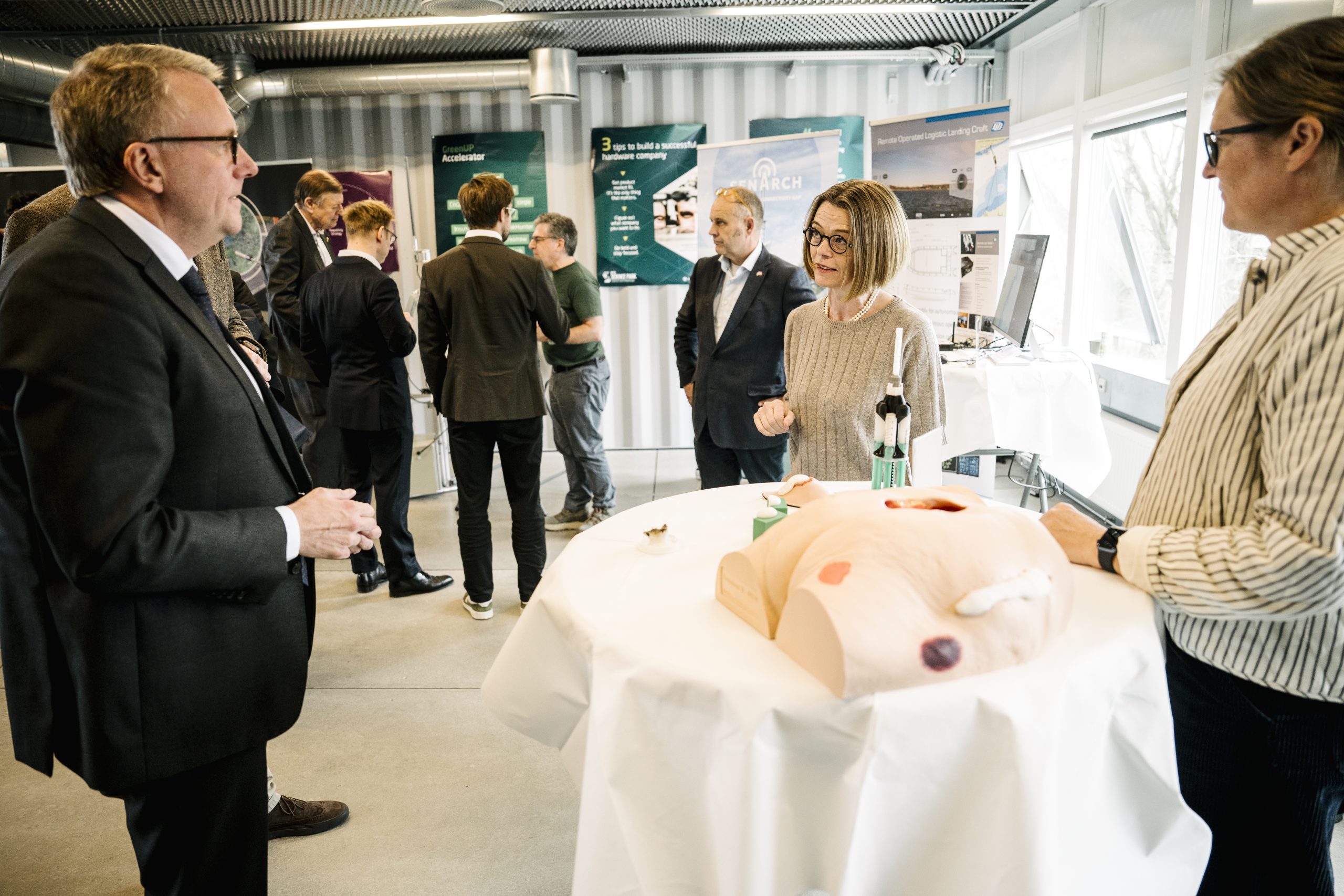
With its special 3D antibacterial foam, the company can seal wounds, preventing further external contamination. The company’s soft foam expands to fit the wound, enveloping fragments and inhibiting bacterial growth. This technology was developed by Anne Ladegaard Skov, professor at DTU, and her business partner Stina Nielsen, and was initially not intended for military use.
“We started with chronic wounds, but were included in the dual-use pilot project at DTU Science Park a year and a half ago. We hadn’t thought about military use at all, but drone warfare has led to delayed evacuations and a dramatic increase in infections – and no solution exists today to solve this problem,” says Stina Nielsen.
The solution is intended for patients with chronic wounds in the civil healthcare sector. But when they discovered that the technology could solve a similar problem for deep, complex combat wounds – and that it could be a way to make a big difference faster – they decided to change track.
“As a consequence, we are initially targeting the defence industry and will later expand into the civilian market,” says Stina Nielsen.
A simple caulking gun sparked close collaboration
Alesac’s product will typically require several years of development before they have a finished, regulatory-approved medical device on the market. By participating in the MedTech Growth programme in DTU Science Park, they hoped to make this process as efficient as possible.
In addition to the fixed modules, the programme includes sparring with other entrepreneurs and meetings with investors, as well as a tailor-made component. Here, Alesac was introduced to Creadis, which specialises in helping complex products reach mass production. Stina Nielsen particularly remembers the first meeting.
“We were excited to showcase our prototype – a functional but fairly simple setup incorporating our technology, a bit bulky maybe. The team from Creadis approached it with a more experienced perspective. Looking back, it was clear that there was room to further refine and professionalise the design,” she says with a smile.
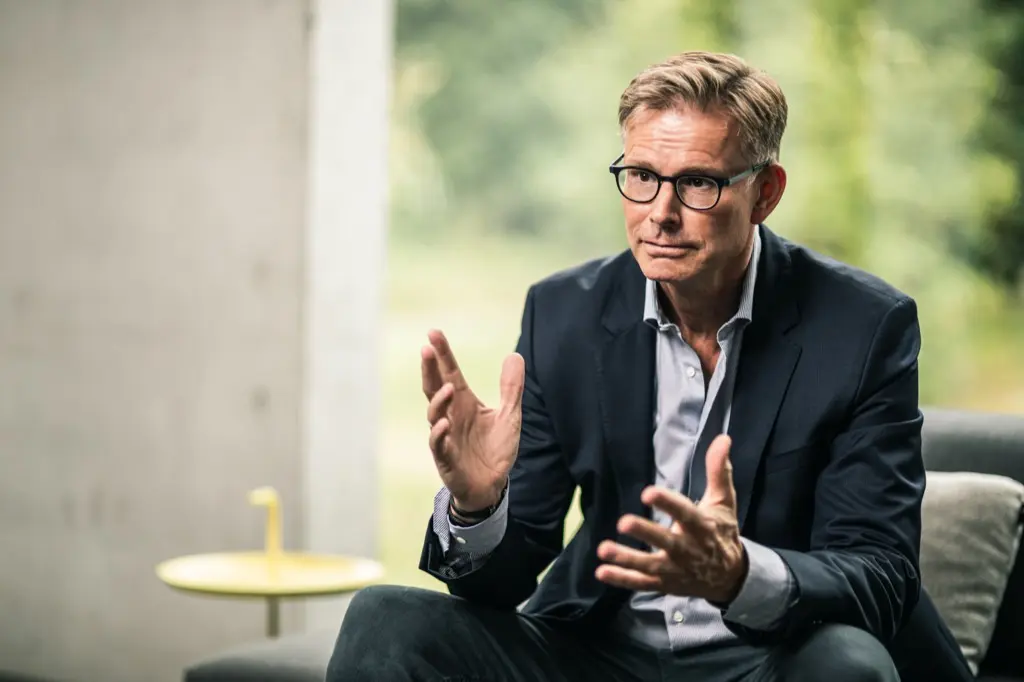
Lars Jøker Nissen, Industry Director for Life Sciences & Defence at Creadis, also remembers the meeting clearly – but in a very positive light.
“We had heard a brief pitch – and we thought that if this could fly, there would be some incredible prospects. When we talk to Ukrainian soldiers, they are very eager to get hold of this solution,” he says, explaining how the promising introduction quickly turned into action:
“We were already heavily involved in Ukraine, and Stina wanted to get involved too. So I asked her, ‘When would you like to talk to them?’, and the following Monday she had a meeting with Ukrainian soldiers and doctors.”
Creadis began asking the difficult questions. What exactly are the users’ requirements for the solution? What about regulatory requirements when targeting the military? How should the device be developed to avoid delays along the way?
“They helped us pause and rethink our approach – and get more user feedback. Instead of fixing one thing at a time, we revisited the entire concept. It has been an invaluable help,” says Stina Nielsen.
Pro Bono with great value
Only a small number of Creadis’s 600 employees work with start-ups on a daily basis. Instead, the customer list mainly consists of large companies within a handful of sectors. But working with start-ups such as Alesac is not primarily about growing the bottom line, explains Lars Jøker Nissen.
“Alesac is a start-up, but they are also part of the industry ecosystem. And start-ups often work with new, difficult technology. It’s exciting for our engineers to be part of this and understand where the technology is heading,” he says.
At the same time, collaborating with universities is highly valuable to Creadis. This applies to branding, but especially to the people they meet through the collaboration.
“This gives us an expanded network at many different levels. Both with discipline leaders, mentors at DTU and others who are part of the programmes,” says Lars Jøker Nissen.
And if Creadis helps a start-up succeed, this should ultimately also have a positive impact on Creadis’ business.
“At the end of the day, we are a business that needs to make money, and we are already seeing that we are starting to make money from this commitment – and that makes it easier to do more, of course.”
The effort became personal
Although Creadis is formally listed as an advisor, Stina Nielsen feels the collaboration has grown into something more – a strong partnership on both sides. Lars Jøker Nissen recognises this feeling with a smile – because AleSac’s goals are also important to him.
“That’s perhaps the downside of coaching and mentoring a start-up: if you find it exciting, time just flies by. My colleague Mathijs wrote to me one Saturday evening to say he had ended up sitting down to draw the applicator, and I replied immediately. On a Saturday evening. But that’s because Stina and Anne have tapped into something that triggers us as engineers and as people,” he says.
Facts about AleSac:
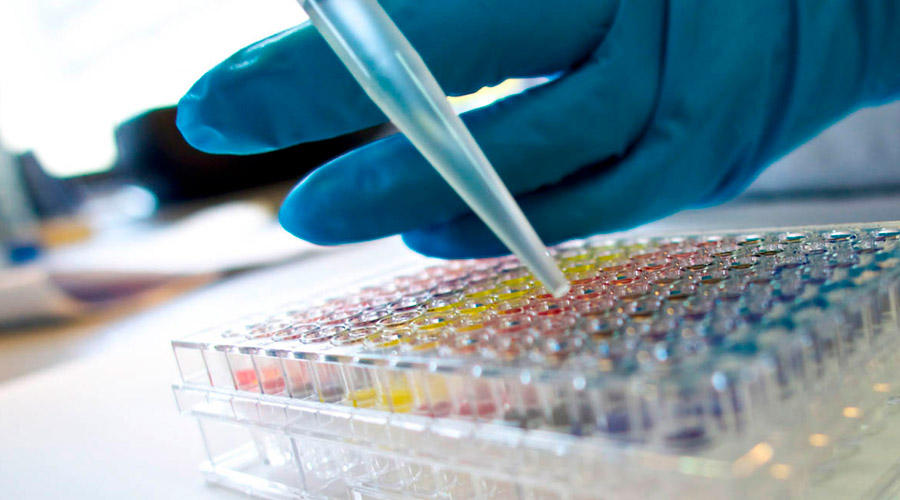
- The AleSac antibacterial foam kills lethal, multidrug-resistant bacteria in less than 120 minutes (in vitro). The foam conforms to the wound in three dimensions, and is tailored for deep, complex wounds.
- The solution will initially target military use, where it has significant potential to protect injured soldiers and their wounds from infection while they are en route from battlefield to hospital.
- Following entry into Defence, the product will be introduced into the civilian healthcare system, where the treatment of chronic wounds currently accounts for 3-5% of healthcare costs. As chronic wounds are closely associated with ageing populations and lifestyle-related diseases, the challenge AleSac wants to solve will only become more important.
Facts about Creadis:
- Since 1997, Creadis has helped companies develop their technology, products, and production lines in factories. Today, the companies employ 600 people across Denmark, Poland, Spain, the United States and India.
- The company focuses primarily on four industries: Renewables, Defence, LifeScience and Industrial Manufacturing.
- Creadis has been a partner with DTU for the past two years on Danish Tech Challenge, MedTech Growth and Danish Defence Tech.