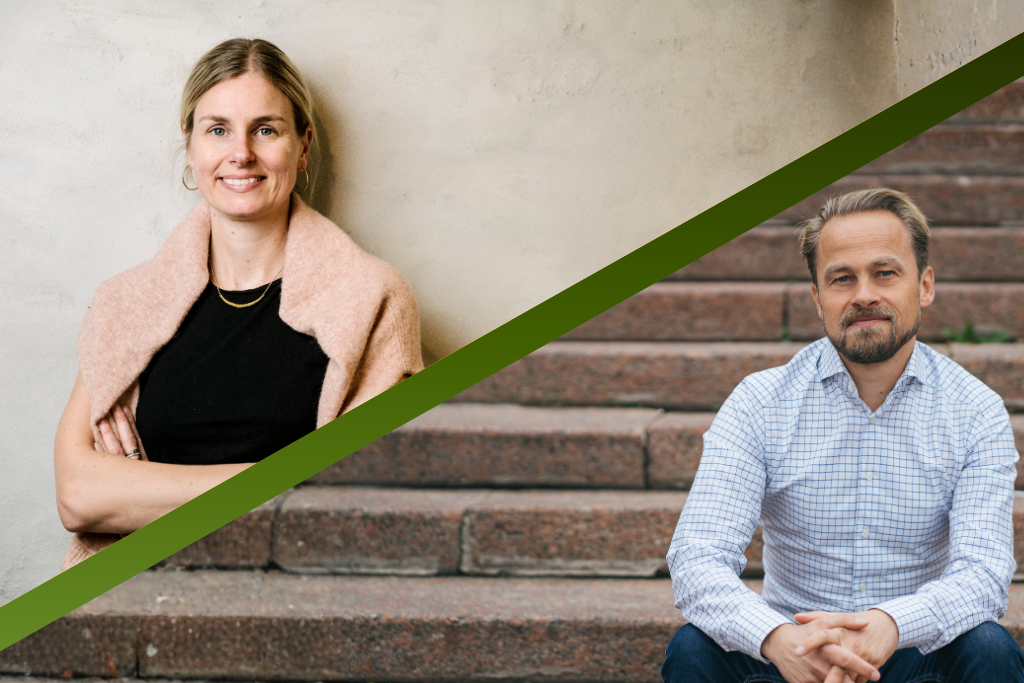

“We are completely overwhelmed. I really didn’t see it coming – I felt that we were all so close that I couldn’t predict who it would be,” said a surprised co-founder of Ecoblaq, Mikala Poulsen, immediately after the award ceremony.
“Now we are standing here with 500,000 DKK, and it gives us time for our dialogues with investors, so we don’t have to rush anything and can ensure it lands in a smart and sensible way that moves us forward into the future in a wise way,” adds the other co-founder of Ecoblaq, Eskil Hardt.
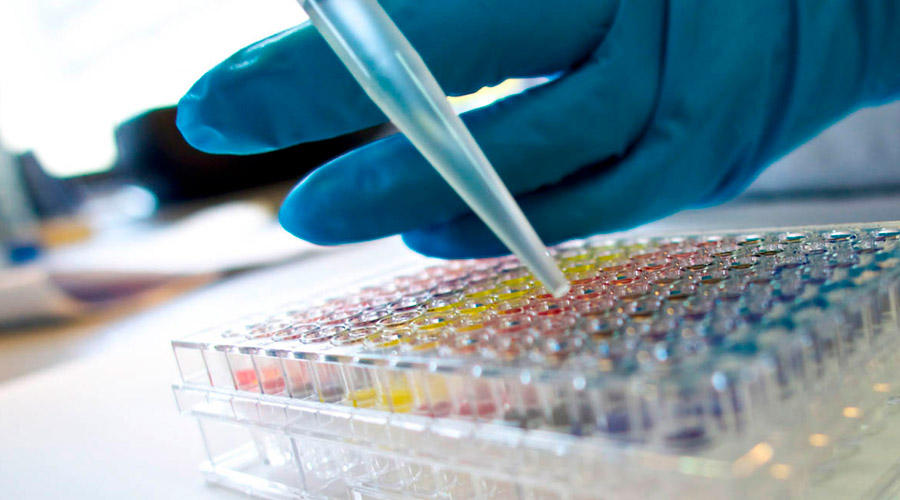
It may seem almost magical to color wood without paint, but with Ecoblaq’s technology, the molecules on the wood’s surface are altered, which colors the wood entirely without the use of paint, plastic, or other toxic substances. With the startup’s solution, the production of, for example, wooden furniture can become significantly more efficient and less harmful to the climate:
“There are two things that make paint a problem for the industry: the amount of microplastics, and the fact that it creates a barrier to participating in a circular economy. These companies (in the industry, ed.) will not survive unless they can make their production part of a process where they reuse wood. Because we don’t have enough wood, and we also need to leave some of the trees standing,” says Mikala Poulsen.
Physical products take the lead in a digital age
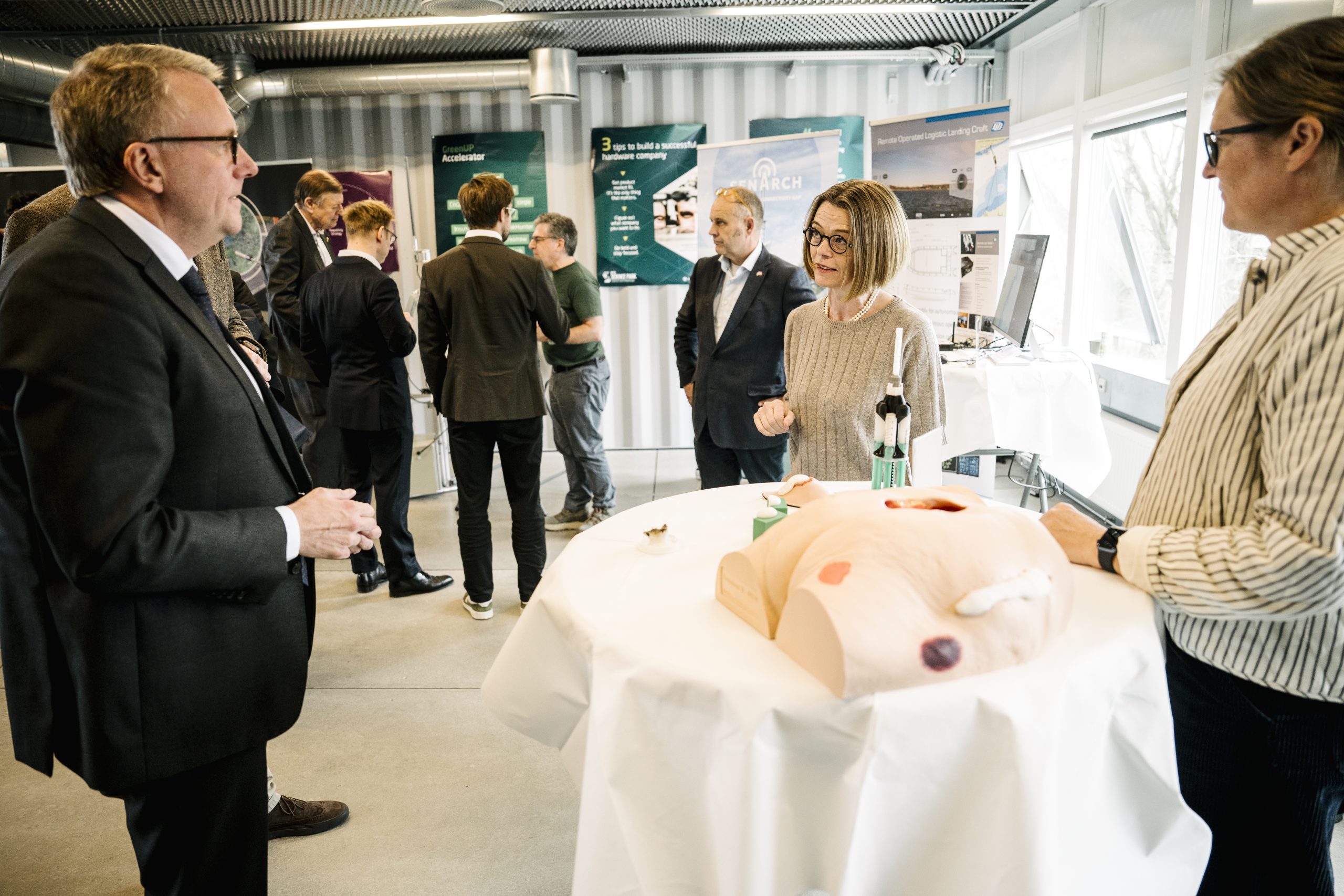
Although the innovation landscape has for many years been dominated by digital solutions, this year’s Danish Tech Challenge once again shows that deep tech hardware remains crucial for solving the world’s most pressing challenges.
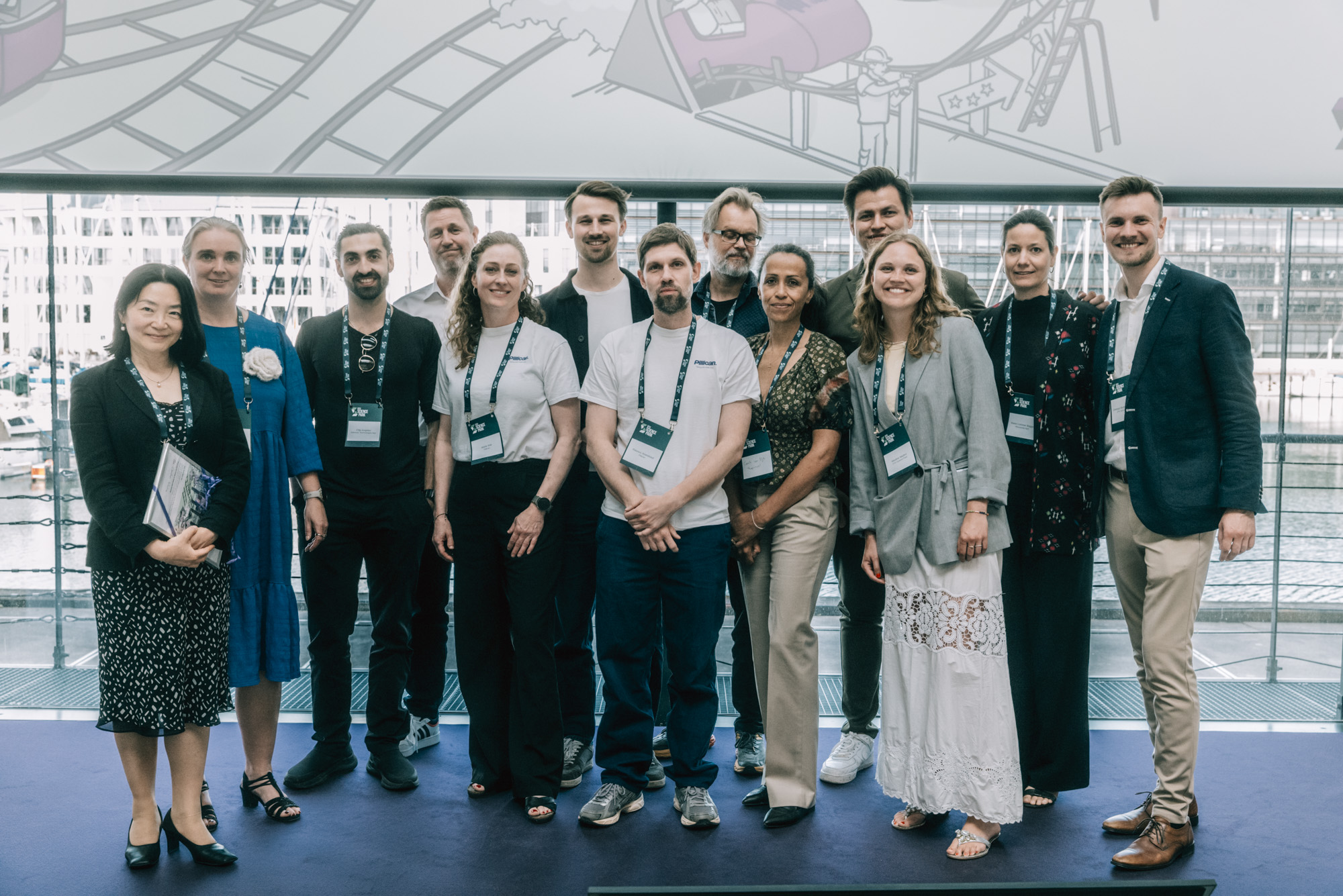
Since the program began in 2014, more than 230 hardware startups have gone through Danish Tech Challenge, which each year selects 15–20 promising companies from up to 80 applicants. CEO of DTU Science Park, Steen Donner, emphasizes why hardware is still essential:
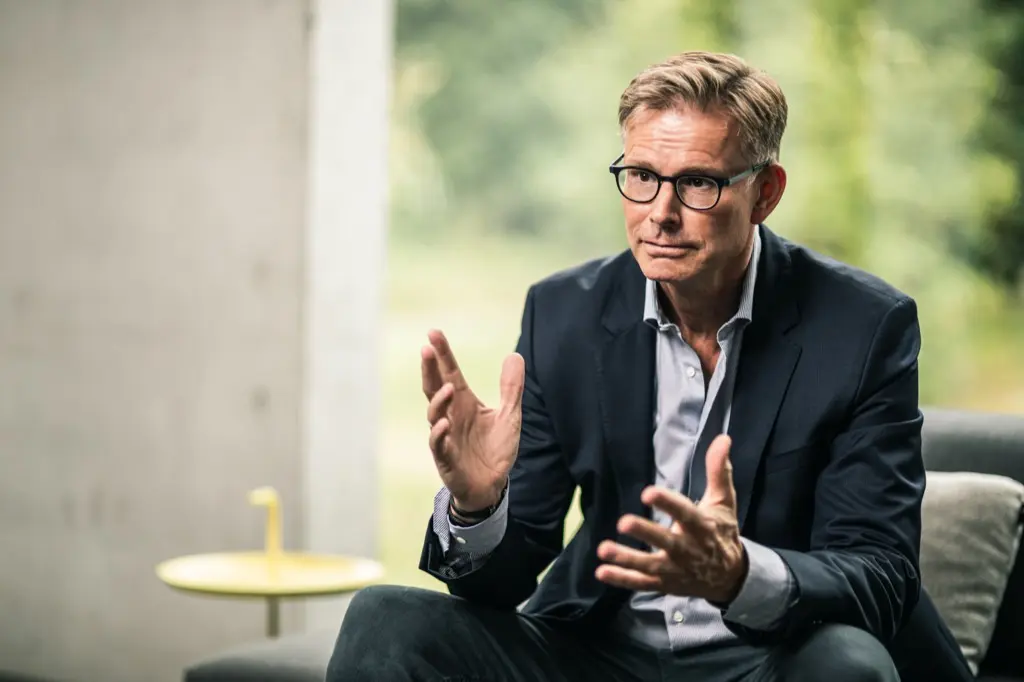
“The participants in this year’s season are working with physical products within areas such as defense technology, medical technology, green technology, and hardware with AI. In other words, the technologies we bring in clearly reflect the surrounding world and the geopolitical situation we are facing. And once again this year, we are reminded why a program like Danish Tech Challenge, which focuses on hardware, is still necessary: we cannot solve the world’s problems-whether in defense, healthcare, or the green agenda-using digital products alone; we need physical products,” says Steen Donner.
Complex technologies – and a long road to market
This year’s cohort has been unusually research-based: almost half of the participants come from DTU, while the rest include startups from the University of Copenhagen, Lund University, and Biomedical Design.
“For these technology-heavy companies, the startup journey is long. Significant investment is required, development time is long, and it takes time to reach the market. The support we provide through Danish Tech Challenge gives them a strong push forward, and we know from both investors and advisors that the companies are much stronger after completing the program,” says Steen Donner.
Investors are turning toward startups that make a real difference in the world
In recent years, investors have increasingly focused on technologies that create measurable improvements in climate, health, and security – and thus away from purely digital business models.
Jyske Bank clearly experiences this development through its multi-year partnership with DTU Science Park, where the bank’s investment-ready customers gain access to a broad pipeline of deep tech companies.
“Danish Tech Challenge gives us access to some of the country’s most visionary hardware entrepreneurs. These are companies that not only build strong businesses-they build solutions that move the world in the right direction. As a bank, we want to be where real change can be created, and where capital can make a concrete difference in the development of new technology,” says Jyske Bank director responsible for digitalization and operations, Peter Trier Schleidt.
Over the years, the partnership has developed to include sponsorship, award presentations, and joint pitch events.
“We are seeing significantly growing interest among our customers in deep tech startups. With Danish Tech Challenge, we can introduce them to innovation they would otherwise have to look elsewhere to find. This creates value for investors and most importantly for the companies that need capital to scale globally,” concludes Peter Trier Schleidt.
About Danish Tech Challenge
- Danish Tech Challenge is a five-month intensive program at DTU Science Park for technology-driven hardware entrepreneurs working to bring new physical products to market.
- Participants gain access to advisors, mentors, investors and the opportunity to win Jyske Bank’s Innovation Award of 500,000 DKK.
- The program was launched in 2014 and is carried out in collaboration between Jyske Bank and DTU Science Park.
For more info:
Louise Kammacher, Head of Marketing and Communications i DTU Science Park
Phone: +45 20 74 74 21, Email: [email protected]