
How do we help more of Denmark’s life science startups survive and grow?
In the latest episode of Business Review Life Science, we address exactly that question. The conversation focuses on the importance of capital and ecosystems for future healthcare solutions – and, crucially, on what it takes to attract both national and international investors so that companies can stay in Denmark as they scale.
Denmark should be the place where companies stay

We need to bring foreign investors to Denmark and make Denmark interesting for them.
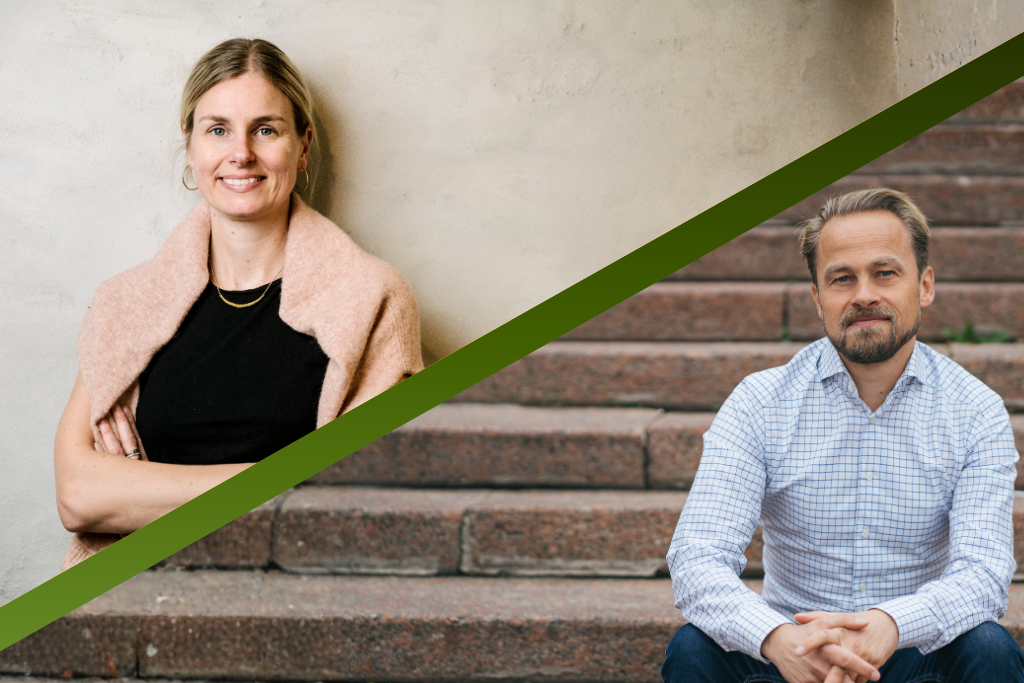
Steen Donner
CEO, DTU Science Park
That’s the message from Steen Donner, CEO of DTU Science Park, who points out that the challenge is not only about raising capital in the early stages.
“It’s not only in the early stages. Iit’s also when we move into the later stages, when the really big money is needed. Too often, that money is in the US, and then the company relocates. That’s what we need to avoid.”
If Denmark is to build a strong life science sector, it is not only about attracting investments but also about keeping the companies here.
“At the very least in Europe, but preferably in Denmark,” emphasizes Steen Donner.
The podcast covers, among other things:
- Why it takes 10–15 years and significant funding to build a successful life science company
- How access to the Gefion supercomputer and strong networks reduces risk
- The importance of early clinical validation and data-driven business development
- New business models in a future shaped by precision medicine and real-time data collection
- How events like TechBBQ and investor networks can attract capital from abroad
- The strategic message: Innovation must become a core task for the healthcare system
A necessary cultural shift
The conversation also points out that Denmark must dare to think bigger. A few pharma successes are not enough – there must be space, capital, and competencies for the entrepreneurs of tomorrow.
As Diana Arsovic Nielsen, CEO of Danish Life Science Cluster, puts it:
“We cannot simply rest on the success of the large pharma companies. Denmark needs a growth layer, an undergrowth of smaller players who can both supply the big companies and develop into the next businesses that drive talent and innovation.”
In other words: the major pharma successes are important, but without a strong undergrowth of startups, Denmark risks losing both innovation and competitiveness.
The bottom line
It’s about making Denmark attractive to international investors while ensuring that companies choose to stay here. That is the key if we want a life science sector that grows into something both global and distinctly Danish according to Steen Donner.
Watch the full podcast here: